Education & Academic Background
- Ph.D. in EducationUniversity of Victoria
- Post-Master's Certificate in CounsellingAthabasca University
- M.A. in Educational PsychologySimon Fraser University
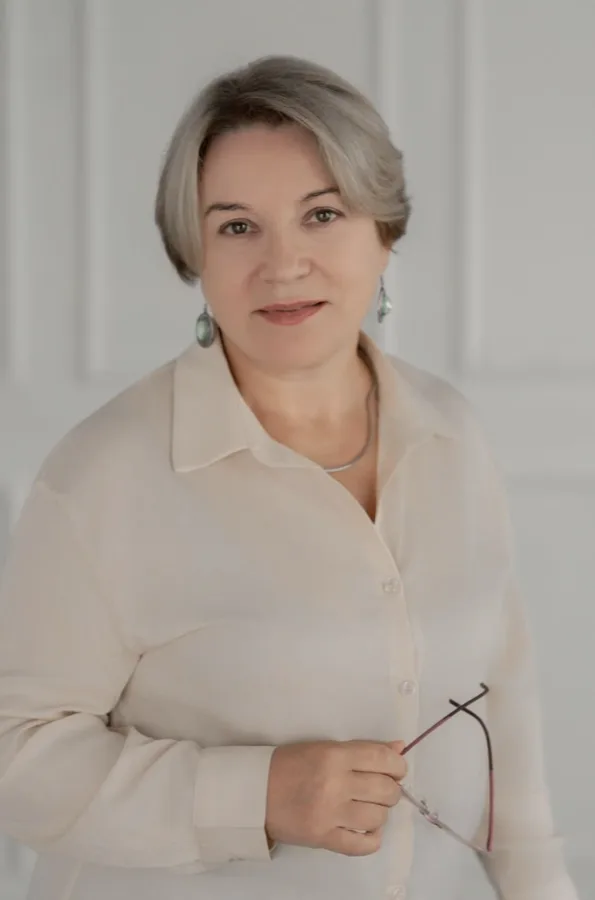
Evidence-based, culturally informed psychotherapy across the lifespan.
I support clients in navigating life's challenges and discovering meaningful growth through a respectful, integrative approach that honours each person's unique journey and fosters healing and resilience.
 English
 Russian
 Ukrainian
Professional Working Proficiency in English, Russian, and Ukrainian.
EMDR is a structured, evidence-based therapy for trauma and distressing memories. When something overwhelming happens, the memory can stay "stuck" and keep triggering strong reactions long after the event. EMDR uses bilateral stimulation, such as guided eye movements or tapping, while you briefly focus on the memory, helping the brain reprocess it so it feels less intense and more like the past.
Sessions begin with preparation and coping skills, so you feel grounded before any memory work. You stay awake and in control throughout, and you can pause at any time. EMDR can help with trauma and PTSD, anxiety and panic, grief and loss, phobias, and other painful life experiences.
Read the full EMDR client handout (PDF) (opens in a new tab)
Lifespan Integration is a gentle, body-based therapy that helps the nervous system recognise that past events are over. Guided by the therapist, you revisit a memory and then move through a timeline of memories from across your life up to the present, helping the body and mind integrate the past and settle into who you are now.
Sessions are calm and paced to your comfort. Afterwards, it is normal to feel tired or reflective as your system continues to integrate. Rest, water, gentle activity and self-care in the day or two after a session are recommended.
Read the full Lifespan Integration handout (PDF) (opens in a new tab)